
A commercial roof protects the building, its equipment, employees, and daily operations from changing weather conditions. Small roofing defects can allow water to enter, damage insulation, weaken roof materials, and affect indoor spaces. Working with a reliable roofing repair company can help property managers identify these issues and arrange suitable repairs before the damage spreads.
Commercial roofing systems need regular attention because they face constant exposure to sunlight, rain, wind, temperature changes, and debris. The type of roof, building use, drainage system, and installation quality all influence how it performs over time. Routine inspections and timely maintenance help keep the roof in good condition while reducing the risk of unexpected repair costs.
Why Commercial Roof Inspections Matter
A roof can develop problems without showing clear signs inside the building. Water may collect beneath the surface, insulation can become damp, and roofing materials may begin to separate. By the time stains or leaks appear indoors, the damage may already extend beyond the visible area.
Regular inspections give property managers a clearer picture of the roof’s condition. They help identify early signs of wear and determine which areas need attention. Inspections also provide useful information for planning repairs, budgeting for maintenance, and managing the building’s long-term upkeep.
See also: Plumber Belconnen: Common Plumbing Problems, Practical Fixes and When to Call a Professional
Detecting Small Defects Early
Minor roofing defects can develop around seams, flashing, drains, vents, and other roof openings. Cracks, loose materials, and damaged sealants may allow moisture to enter the roofing system.
An inspection helps locate these weak points before they lead to larger problems. Repairing a small damaged section is often less disruptive than dealing with widespread water damage or replacing a large part of the roofing system.
Protecting the Building Interior
A damaged roof can affect ceilings, walls, electrical equipment, stored materials, and interior finishes. Moisture can also contribute to mould growth when affected areas remain damp.
Roof inspections help reduce these risks by identifying possible entry points for water. Property managers can then arrange repairs and address moisture concerns before the damage affects more parts of the building.
Common Roofing Problems Found in Commercial Properties
Commercial roofs use different materials and construction methods. Some have flat or low-slope surfaces, while others use sloped designs. Each system has its own maintenance needs, but several roofing problems can affect many types of commercial buildings.
Understanding common defects helps facility managers recognise warning signs and arrange professional assessments at the right time.
Water Pooling and Poor Drainage
Flat and low-slope roofs depend on proper drainage to move rainwater away from the surface. Blocked drains, damaged outlets, or incorrect roof slopes can cause water to collect in certain areas.
Standing water places extra weight on the roof and may increase the risk of leaks. It can also speed up the deterioration of roofing materials. Drainage systems should be checked regularly, especially after heavy rainfall or seasonal storms.
Damaged Flashing and Roof Seams
Flashing protects the areas where roofing materials meet walls, vents, skylights, and other structures. If flashing becomes loose, cracked, or corroded, water can enter through these joints.
Roof seams may also separate because of ageing, weather exposure, or poor installation. These areas need careful inspection because even a small opening can allow moisture to reach the layers beneath the roof surface.
Cracks, Blisters, and Surface Wear
Roofing membranes and protective coatings can weaken over time. Sun exposure, temperature changes, foot traffic, and general ageing may cause cracks, blisters, or surface separation.
These defects reduce the roof’s ability to resist moisture. Their condition should be assessed to determine whether a local repair, protective treatment, or larger maintenance task is required.
The Role of Preventive Maintenance in Roof Performance
Preventive maintenance focuses on finding and addressing roofing issues before they become serious. It involves planned inspections, cleaning, minor repairs, and checks of important roof components.
A consistent maintenance routine also helps property managers understand how the roof changes over time. Inspection records can show recurring problems, areas that need closer attention, and parts of the roof approaching the end of their service life.
Keep Roof Drains and Gutters Clear
Leaves, dirt, branches, and other debris can block drainage points. When water cannot flow away properly, it may collect on the roof or overflow into areas where it can cause damage.
Drains, gutters, and downpipes should be checked and cleared as part of routine maintenance. The frequency depends on the building’s surroundings, roof design, and local weather conditions. Properties near trees may require more frequent cleaning.
Check Roof Penetrations and Seals
Pipes, ventilation units, skylights, and other roof penetrations create points where water may enter. Sealants around these areas can dry out, crack, or lose their adhesion over time.
Regular checks help identify damaged seals and loose connections. Repairs should use materials suitable for the existing roofing system to maintain proper protection and avoid compatibility problems.
Arrange Repairs Based on Roof Condition
Not every roofing issue requires the same response. Some defects may need a simple repair, while others indicate deeper damage to the membrane, insulation, or roof structure.
Professional assessments help determine the extent of the problem and the most suitable repair method. Planned roof maintenance services can also help property managers keep inspection findings, cleaning tasks, and repair requirements organised throughout the year.
Seasonal Factors That Affect Commercial Roofs
Weather conditions can place different demands on commercial roofing systems throughout the year. Temperature changes may cause roofing materials to expand and contract. Strong winds can loosen components, while heavy rain may expose weaknesses in drainage and waterproofing.
Seasonal inspections help identify damage caused by recent weather and prepare the roof for upcoming conditions. After severe storms, a professional assessment can check for displaced materials, damaged flashing, punctures, and drainage issues.
In colder conditions, ice and repeated freezing and thawing may affect roof edges, joints, and drainage points. In warmer periods, prolonged sunlight can weaken exposed materials and protective coatings. Maintenance schedules should reflect the local climate and the roof’s specific construction.
When Does a Commercial Roof Need Repair or Replacement?
The right decision depends on the roof’s age, material, condition, repair history, and the extent of existing damage. A few isolated defects may be suitable for targeted repairs. Widespread deterioration, repeated leaks, or damage to several roofing layers may indicate that a larger project is necessary.
Property managers should consider the following factors:
- Frequency of leaks: Repeated water entry can indicate an ongoing problem that has not been fully resolved.
- Condition of roofing materials: Widespread cracks, loose membranes, and surface deterioration may require more than minor repairs.
- Drainage performance: Persistent pooling may point to drainage defects or problems with the roof’s slope.
- Repair history: Frequent repairs in the same areas can suggest that the roofing system needs a more detailed assessment.
- Insulation and structural condition: Moisture damage beneath the roof surface may affect energy performance and building safety.
A professional roofing assessment can help compare repair options with the likely cost and practical requirements of replacement. The decision should be based on the roof’s actual condition rather than age alone.
Building a Practical Commercial Roof Care Schedule
A useful maintenance schedule should reflect the roof type, building activity, surrounding environment, and previous inspection findings. It should also assign responsibility for arranging inspections, recording defects, and following up on repairs.
Property managers can maintain a roof care record containing inspection dates, photographs, repair details, drainage checks, and recommendations from roofing professionals. This information makes it easier to monitor recurring issues and plan future maintenance budgets.
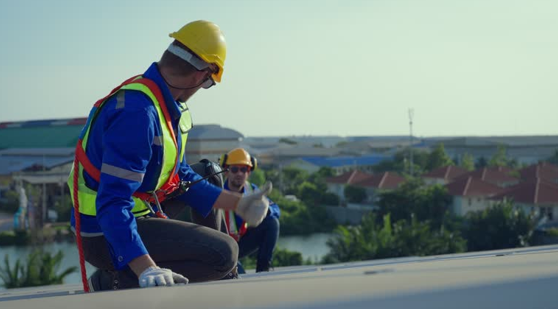
Roof access should also be controlled. Only authorised and suitably trained people should carry out inspections or maintenance work. Walking on unsuitable roof surfaces can damage materials and create serious fall risks. Professional contractors can assess access requirements and use appropriate safety procedures.
Conclusion
Commercial roofing needs consistent attention to remain weather-resistant and protect the building beneath it. Regular inspections, clear drainage, sound flashing, and timely repairs help reduce the risk of water damage and unexpected disruption.
Property managers who keep accurate maintenance records can make better decisions about repair priorities and future roofing work. A planned approach also helps identify when a roof needs professional attention, allowing building owners to address problems based on their actual condition.
Frequently Asked Questions
1. How often should a commercial roof be inspected?
A commercial roof should generally receive professional inspections at least twice a year, often in spring and autumn. Additional inspections may be needed after severe weather, visible leaks, or significant maintenance work. The ideal schedule depends on the roof material, age, and building conditions.
2. What are the early signs of commercial roof damage?
Common warning signs include water stains on ceilings, damp insulation, standing water, damaged flashing, cracked membranes, loose roofing materials, and blocked drains. Some problems may not be visible from inside the building, which makes regular professional inspections useful.
3. Can blocked roof drains cause serious damage?
Yes. Blocked drains can prevent rainwater from leaving the roof properly. Water may collect on the surface, increase the load on the structure, and raise the risk of leaks. Regular cleaning and drainage inspections help prevent these problems.
4. Should a commercial roof always be replaced after a leak?
No. A leak does not automatically mean the entire roof needs replacement. The cause, location, and extent of the damage should be assessed first. If the issue is limited to a small area, a suitable repair may be enough. Widespread deterioration may require more extensive work.
5. What roofing services does Facility Network provide?
Facility Network provides facility-related services, including roofing support for commercial properties. Property managers can contact the company to discuss roofing requirements, arrange an assessment, and determine suitable maintenance or repair options.