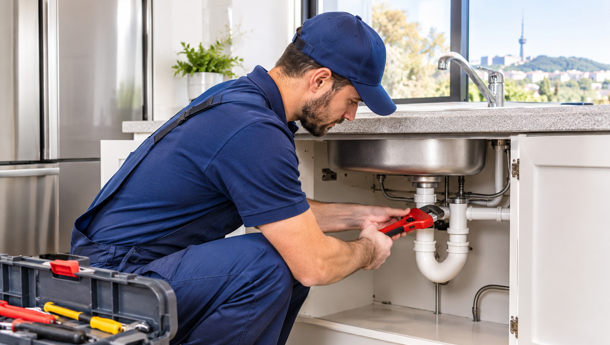

Plumbing problems can affect the comfort, safety and daily operation of any home or commercial property. A dripping tap, leaking pipe or slow-draining sink may appear minor, but ignoring these issues can lead to water damage, higher utility bills and expensive repairs. Finding a reliable plumber in Belconnen residents can contact for professional assistance helps property owners address faults before they become serious. Understanding common plumbing problems, their warning signs and the right maintenance practices can also help prevent unexpected disruptions.
Plumbing Issues That Often Require Professional Attention
Household plumbing systems include pipes, taps, drains, toilets, hot water units and other connected fixtures. Each component needs to function correctly to maintain a dependable water supply and proper wastewater removal.
Some problems develop gradually, while others appear without warning. Knowing the difference can help property owners decide when to arrange an inspection.
Common plumbing concerns include:
- Leaking taps: Worn washers, damaged cartridges and loose fittings can cause continuous dripping.
- Burst pipes: Corrosion, excessive water pressure and physical damage can cause pipes to split.
- Toilet problems: Faulty inlet valves, damaged seals and blocked outlets can affect flushing.
- Low water pressure: Mineral deposits, hidden leaks and damaged pipes may restrict water flow.
- Hot water failures: Faulty heating elements, thermostats and pressure valves can interrupt hot water supply.
- Drainage problems: Grease, hair, soap residue and foreign objects can restrict wastewater movement.
Although some minor issues can be identified through visual checks, repairs involving concealed pipes, water pressure or electrical connections should be handled by qualified professionals.
Why Early Plumbing Repairs Matter
A small plumbing fault can gradually affect other parts of a property. For example, a slow leak beneath a kitchen sink may damage cabinetry, flooring and nearby walls if left unattended.
Early repairs offer several practical advantages.
Reduced repair expenses
Fixing a leaking connection is generally less complicated than repairing extensive water damage. Prompt attention can prevent a minor fault from affecting larger sections of the plumbing system.
Lower water consumption
A continuously running toilet or dripping tap wastes water. Repairing faulty components can reduce unnecessary consumption and help control household water bills.
Better property protection
Water escaping from damaged pipes can encourage mold growth, weaken building materials and damage electrical fittings. Early intervention limits the time moisture has to spread.
Reliable daily operation
Working taps, toilets and drainage systems make everyday activities easier. Timely maintenance also reduces the likelihood of sudden plumbing interruptions.
Recognising the Early Signs of Drainage Problems
Drainage faults are among the most common reasons property owners arrange plumbing inspections. A drain does not always become completely blocked straight away. Several warning signs may appear before wastewater stops flowing.
Look for these symptoms:
- Water drains slowly from sinks, showers or baths.
- Gurgling sounds coming from pipes after using taps or toilets.
- Unpleasant smells around floor wastes and kitchen drains.
- Water collects around outdoor drainage points.
- Toilets that flush slowly or rise unusually high before emptying.
- Multiple fixtures experiencing drainage problems at the same time.
A single slow drain may indicate a local obstruction. Problems affecting several fixtures could point towards a blockage or fault in a shared drainage line.
What Causes Blocked Drains in Residential Properties?
Drainage systems carry wastewater away from kitchens, bathrooms, laundries and outdoor areas. Everyday materials can gradually accumulate inside pipes and restrict the movement of water.
Kitchen waste
Cooking oil, grease, food scraps and soap residue can stick to pipe walls. Grease may enter the plumbing system as a liquid but become thicker as it cools, trapping other debris.
Bathroom materials
Hair, soap deposits, toothpaste residue and personal care products can collect around drain openings and inside pipes. Bathroom drains are particularly vulnerable to gradual accumulation.
Tree roots
Outdoor drainage pipes can develop cracks or loose joints over time. Tree roots may enter through these openings as they seek moisture, eventually restricting wastewater flow.
Foreign objects
Sanitary products, wipes, paper towels and other unsuitable materials can create obstructions in toilets and sewer lines. Even products marketed as flushable may not break down quickly enough to pass through a drainage system safely.
Damaged or poorly installed pipes
Incorrect pipe gradients, collapsed sections and ageing materials can interfere with wastewater movement. These problems often require a professional inspection rather than repeated attempts to clear the drain.
How Professionals Diagnose Blocked Drains Belconnen Properties May Experience
Different blockages require different repair methods. Simply removing visible debris may not resolve an obstruction located deeper inside the drainage network.
Professional plumbers can investigate drainage faults using suitable inspection equipment and cleaning methods.
Drain camera inspections
A specialised waterproof camera can travel through a drainage pipe and provide images of its internal condition. This allows the technician to identify root intrusion, cracks, accumulated debris and structural damage.
High-pressure water jetting
Water jetting uses controlled high-pressure water to remove grease, sediment and other deposits from pipe walls. The equipment and pressure settings must suit the pipe material and its condition.
Mechanical drain cleaning
Drain snakes and suitable mechanical tools can break apart or retrieve certain obstructions. The correct equipment depends on the blockage’s location and composition.
Pipe repairs
If an inspection reveals cracked, displaced or collapsed pipes, cleaning alone will not provide a lasting repair. The affected section may need repair or replacement.
Professional diagnosis helps identify the underlying cause instead of repeatedly treating the same symptoms.
See also: The Role of Facility Management in Maintaining Business Continuity
Plumbing Maintenance Habits That Help Prevent Emergencies
Regular maintenance can reduce the likelihood of avoidable plumbing problems. Property owners can follow several straightforward practices throughout the year.
- Avoid pouring cooking oil, fat and grease into kitchen sinks.
- Use drain strainers to collect hair and food particles.
- Only flush toilet paper and human waste down the toilet.
- Check exposed pipes and connections for signs of moisture.
- Monitor water bills for unexplained increases in consumption.
- Inspect outdoor drains after heavy rainfall.
- Arrange periodic checks of older plumbing systems.
- Address dripping taps and running toilets rather than postponing repairs.
Chemical drain cleaners should not be the first response to recurring blockages. Some products can damage unsuitable pipe materials, create hazardous reactions or fail to remove the actual obstruction.
Choosing a Qualified Plumbing Professional
Selecting a suitable tradesperson requires more than comparing the initial call-out price. Property owners should consider qualifications, experience, communication and the proposed repair process.
Here are several points worth checking before arranging work:
Licensing and qualifications: Confirm that the plumber holds the appropriate ACT licensing and qualifications for the work being undertaken.
Relevant experience: Ask about experience with the specific issue, particularly if it involves sewer lines, hot water systems or concealed pipework.
Clear estimates: Request an explanation of the proposed work, labour charges, material costs and any additional expenses that could arise.
Emergency availability: Plumbing failures such as burst pipes and major leaks may require urgent attention. Check whether emergency assistance is available.
Workmanship and warranties: Ask about guarantees covering labour and materials, along with any manufacturer warranties that apply to installed equipment.
Clear communication helps property owners understand the repair process and make informed decisions about their plumbing systems.
When Should You Arrange an Emergency Plumbing Visit?
Some plumbing faults can wait for a scheduled appointment, but others require immediate attention.
Contact an emergency plumbing professional if you experience:
- A burst pipe causing uncontrolled water leakage.
- A major leak near electrical equipment.
- Sewage backing up into toilets, showers or floor drains.
- A sudden loss of water supply that may indicate a serious pipe failure.
- Significant flooding inside the property.
- A hot water system leaking heavily or showing signs of serious damage.
If a pipe bursts, turn off the main water supply if it is safe to access. Avoid touching wet electrical equipment and contact the relevant emergency services if there is an immediate electrical or safety hazard.
Keeping Belconnen Properties’ Plumbing Systems in Good Condition
A dependable plumbing system requires attention to both visible fixtures and the pipes hidden behind walls, beneath floors and underground. Small leaks, unusual noises and slow drainage can provide early warnings of developing faults.
Property owners who understand these signs can arrange appropriate repairs before the damage spreads. Regular maintenance, responsible waste disposal and professional inspections also help extend the useful life of plumbing components.
For homeowners and businesses, working with an experienced plumber in Belconnen property owners can rely on makes it easier to manage repairs, investigate drainage concerns and maintain essential plumbing services. Addressing blocked drains in Belconnen properties experience at the first sign of trouble can also help prevent recurring obstructions, water damage and unnecessary disruption.