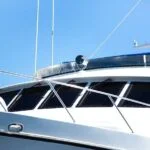

Spending time on the water can be an enjoyable experience, whether it involves recreational boating, fishing, sailing, or extended marine travel. However, sunlight, heat, glare, and changing weather conditions can sometimes make time inside a boat less comfortable. Windows allow natural light into the cabin and provide clear views of the surrounding water, but they can also expose passengers to intense sunlight and unwanted heat.
Unlike ordinary residential windows, boat windows operate in a challenging environment. They are regularly exposed to moisture, saltwater, changing temperatures, strong sunlight, and continuous movement. These conditions make it important to choose suitable window films that can perform reliably in a marine setting.
Installing window film can improve onboard comfort, reduce glare, and help protect certain interior surfaces from UV exposure. However, selecting the right product requires careful consideration of the vessel’s design, glazing materials, and intended use.
Before investing in boat window films, it is worth understanding the key factors that influence product selection, installation, and long-term performance.
1. Understand the Purpose of Installing Boat Window Films
The first step is to identify why window film is needed. Different products are designed to address different challenges, and selecting the right one depends on the primary requirement.
Some boat owners want to reduce sunlight and heat inside the cabin, while others are more concerned about glare, privacy, or interior protection.
Common reasons for installing marine window films include:
• Reducing excessive sunlight entering through cabin windows.
• Improving visual comfort by managing glare.
• Helping control solar heat inside enclosed areas.
• Reducing UV exposure to seats, flooring, and interior furnishings.
• Improving privacy in selected cabin areas.
• Enhancing the appearance of marine glass.
Understanding the main objective makes it easier to compare products and avoid choosing a film that does not meet the vessel’s requirements.
2. Consider the Type of Glass or Glazing Material
One of the most important factors in marine window film selection is the existing glazing material.
Boats and other marine vessels may use different types of windows depending on their construction and design. Some have tempered glass, laminated glass, acrylic windows, or polycarbonate panels.
Each material has different physical and thermal properties.
A film that is suitable for one type of glass may not be appropriate for another.
Tempered Glass
Tempered glass is designed to provide improved strength compared with ordinary glass. It is commonly used in different marine applications.
However, its compatibility with window films depends on factors such as glass thickness, dimensions, existing coatings, and solar exposure.
Laminated Glass
Laminated glass consists of multiple layers joined by an interlayer. It is used in certain marine windows where specific safety and structural properties are required.
Film compatibility should be assessed according to the glazing manufacturer’s recommendations.
Acrylic Windows
Some vessels use acrylic panels because of their lightweight construction and impact-related characteristics.
Not every glass window film is suitable for acrylic surfaces. Products specifically approved for acrylic or plastic glazing should be considered.
Polycarbonate Windows
Polycarbonate is another material used in certain marine applications. It has different characteristics from traditional glass and requires careful product selection.
Before installation, always confirm the film manufacturer’s compatibility recommendations.
3. Evaluate Heat Reduction Performance
Cabin temperatures can rise significantly when sunlight enters through large windows. This can make enclosed areas uncomfortable, especially during warm weather or long periods of direct sun exposure.
Solar-control window films are designed to reduce the amount of solar energy entering through glazing.
Depending on the product, they may help manage:
• Infrared energy associated with solar heat.
• Visible sunlight entering the cabin.
• Overall solar energy transmission.
• Excessive warmth near sun-facing windows.
When comparing different products, look beyond the film’s colour or darkness.
Important specifications include Total Solar Energy Rejected, infrared rejection, and visible light transmission. These measurements describe different aspects of performance and should not be treated as interchangeable.
A film with a darker appearance does not automatically provide better heat rejection. Reviewing technical specifications helps identify an option that offers the desired balance between comfort and visibility.
4. Check UV Protection Properties
Continuous sunlight exposure can affect both passengers and the interior materials of a boat.
Marine upholstery, carpets, curtains, dashboard surfaces, and other furnishings may gradually lose their original appearance when exposed to prolonged sunlight.
UV-protection films can help reduce ultraviolet radiation passing through treated windows.
This can be especially useful for vessels with large cabin windows or seating areas that receive direct sunlight.
Potential benefits include:
• Reducing UV exposure inside the cabin.
• Helping slow the fading of upholstery and fabrics.
• Providing additional protection for interior surfaces.
• Improving comfort during daytime boating.
However, UV protection does not completely prevent fading. Visible light, heat, and environmental conditions can also affect interior materials.
Boat owners should check the manufacturer’s UV rejection specifications before choosing a product.
5. Choose the Right Visible Light Transmission
Visible Light Transmission, commonly known as VLT, measures the percentage of visible light that passes through the film and glazing.
It is an important specification because boat operators need clear visibility when navigating and moving around the vessel.
A darker film may reduce brightness and glare, but it can also affect visibility in certain lighting conditions.
For this reason, the appropriate VLT level depends on where the film will be installed.
Cabin Windows
Cabin windows may allow greater flexibility in film selection, depending on their location and the vessel’s design.
Forward-Facing Windows
Windows used for navigation and forward visibility require particular attention. The selected film should not compromise the operator’s ability to see surrounding vessels, obstacles, or changing water conditions.
Side Windows
Side windows may benefit from glare reduction and additional privacy, provided visibility requirements are maintained.
Sleeping Areas
Windows in sleeping cabins may allow more flexibility for privacy-focused films, depending on the layout.
Always check applicable marine safety requirements and the vessel manufacturer’s recommendations before modifying windows used for navigation.
6. Consider Glare Reduction for Better Visibility
Glare is a common challenge during boating because sunlight reflects strongly from water surfaces.
Reflected sunlight can make it uncomfortable to look through windows, read onboard displays, or relax inside the cabin.
The problem may become more noticeable during early mornings, afternoons, and periods when sunlight reaches the water at particular angles.
Suitable solar-control films can help reduce excessive brightness entering through windows.
This can make certain onboard activities more comfortable, including:
• Reading charts and other documents.
• Viewing digital navigation displays.
• Relaxing inside the cabin.
• Working or spending extended periods in enclosed areas.
• Enjoying views without excessive reflections.
However, window film should not be considered a replacement for appropriate navigation visibility, protective eyewear, or safe operating practices.
7. Select Films Designed for Marine Conditions
Marine environments can be demanding because vessels are exposed to conditions that are different from ordinary residential or commercial settings.
Saltwater, moisture, temperature fluctuations, and frequent cleaning can affect the long-term performance of unsuitable materials.
For this reason, it is important to select products that are specifically recommended for the intended marine application.
Before purchasing a product, consider the following:
Moisture resistance: The film and adhesive should be appropriate for the environmental conditions around the window.
UV durability: Strong and continuous sunlight can affect the performance of certain materials.
Adhesive quality: The adhesive system should be compatible with the glazing and intended application.
Surface durability: Marine windows may require frequent cleaning because of salt deposits and water spots.
Manufacturer support: Product documentation and warranty details should clearly explain the intended applications.
Choosing a film based only on its initial price may lead to problems if it is not suitable for marine conditions.
8. Think About Privacy Without Affecting Safety
Privacy can be useful on boats, particularly when vessels are docked close to other boats, marinas, or waterfront properties.
Cabin windows may expose sleeping areas, personal belongings, or seating spaces to people outside the vessel.
Privacy-focused films can help reduce direct visibility depending on their design.
Some available options include:
• Frosted films for selected cabin windows.
• Reflective films for certain side-facing windows.
• Decorative films for interior glass partitions.
• Neutral films that provide a subtle appearance.
However, privacy should never take priority over safe visibility.
Reflective films may provide different results depending on the lighting conditions. They may also reduce visibility through the glass under certain circumstances.
For windows used by the boat operator, visibility and navigation requirements should always come first.
9. Review the Appearance and Style of Your Vessel
Window films can also influence the overall appearance of a boat.
A suitable finish can give the vessel a more coordinated and refined look while improving the functionality of its windows.
Boat owners can explore different shades and finishes depending on the existing exterior design.
For example:
Neutral films: Suitable for maintaining a subtle appearance without making the windows look overly dark.
Charcoal films: Can provide a darker, modern appearance while offering solar-control properties depending on the product.
Reflective finishes: May create a distinctive exterior look but require careful consideration of visibility and glare.
Clear solar-control films: Can be considered when preserving the natural appearance of the glass is a priority.
The final selection should complement the vessel’s design without creating visibility concerns.
10. Understand the Importance of Professional Installation
Marine window film installation requires attention to detail because boat windows may have curved surfaces, unusual shapes, limited working space, and specialised glazing materials.
Professional installation can help ensure that the selected product is compatible with the window and applied correctly.
A typical installation process includes:
- Inspecting the windows and identifying the glazing material.
- Checking whether the selected film is approved for the surface.
- Measuring each window accurately.
- Cleaning the glazing to remove salt, dust, and other contaminants.
- Preparing and cutting the film according to the window dimensions.
- Applying the film using an appropriate installation method.
- Removing trapped solution and air pockets.
- Checking the finished surface for installation defects.
An experienced installer can also advise whether certain windows should remain untreated because of navigation, safety, or glazing-related requirements.
11. Consider Maintenance and Cleaning Requirements
Boat windows often require more frequent cleaning than ordinary residential windows because of exposure to saltwater, spray, and outdoor contaminants.
Incorrect cleaning practices can damage the film surface or affect its appearance.
To maintain installed films, consider these recommendations:
• Use clean freshwater to remove loose salt and debris.
• Clean the surface using a soft microfiber cloth.
• Choose mild cleaning products approved for the film.
• Avoid abrasive pads and rough brushes.
• Do not use sharp objects to remove stubborn marks.
• Follow the manufacturer’s recommended cleaning schedule.
• Inspect window edges periodically for signs of lifting or damage.
Regular maintenance helps preserve the appearance of the film and makes it easier to identify potential issues early.
12. Compare the Total Cost and Long-Term Value
The cost of installing marine window film depends on several factors, including the type of film, number of windows, glazing material, window dimensions, and installation complexity.
Some specialised marine films may cost more than basic products because they are designed for specific performance requirements.
Instead of focusing only on the initial installation price, consider the overall value.
Important factors include:
• Expected product lifespan.
• Solar-control performance.
• UV rejection specifications.
• Warranty coverage.
• Installation quality.
• Maintenance requirements.
• Suitability for the vessel’s glazing.
Getting a professional assessment and comparing product specifications can help avoid unnecessary expenses.
13. Common Mistakes to Avoid When Installing Boat Window Films
A little planning can prevent problems during product selection and installation.
Here are some mistakes boat owners should avoid:
Choosing a film based only on darkness: A darker appearance does not necessarily mean better heat rejection.
Ignoring glazing compatibility: Using an unsuitable product can create performance or material-related problems.
Overlooking navigation visibility: Films should never compromise the operator’s ability to see clearly.
Selecting ordinary residential products without checking suitability: Marine environments may require specialised materials.
Ignoring warranty details: Always review the product’s intended application and coverage.
Attempting unsuitable DIY installation: Curved windows and specialised glazing can make installation challenging.
Avoiding these mistakes helps ensure that the selected film meets the practical requirements of the vessel.
Frequently Asked Questions
1. What are boat window films used for?
Boat window films are used to help manage sunlight, reduce glare, control solar heat, and limit UV exposure through marine windows. Certain options can also improve privacy and enhance the vessel’s appearance.
2. Can window films reduce heat inside a boat cabin?
Yes. Suitable solar-control films can reduce the amount of solar energy entering through windows. The level of improvement depends on the film specifications, glazing material, and sunlight exposure.
3. Are regular window films suitable for boats?
Not always. Marine environments involve moisture, saltwater, and changing temperatures. The selected product should be specifically approved for the glazing material and intended marine application.
4. Can boat window films be installed on acrylic windows?
Some products are suitable for acrylic glazing, but ordinary glass films should not automatically be used on acrylic surfaces. Always check the manufacturer’s compatibility recommendations.
5. Do marine window films block UV rays?
Many marine-compatible films are designed to reject a significant percentage of ultraviolet radiation. The actual protection level varies by product, so checking technical specifications is important.
6. Do darker films provide better heat rejection?
Not necessarily. Heat rejection depends on the film’s construction and performance characteristics, not simply its darkness. Compare solar energy rejection and other technical measurements before selecting a product.
7. Can window films affect visibility while boating?
Yes. Films with low visible light transmission may reduce visibility, particularly in low-light conditions. Windows used for navigation require careful product selection and compliance with applicable safety requirements.
8. How should marine window films be cleaned?
Use freshwater, a soft microfiber cloth, and cleaning products approved by the film manufacturer. Avoid abrasive materials and harsh chemicals that may damage the surface.
9. How long do boat window films last?
Their lifespan depends on product quality, installation, sunlight exposure, marine conditions, and maintenance. Review the manufacturer’s warranty for product-specific information.
Conclusion
Comfort, visibility, and protection are important considerations when maintaining a boat. While windows provide beautiful views and natural light, they can also allow excessive heat, glare, and UV exposure into enclosed spaces.
Choosing the right marine window film can help address these concerns while maintaining the vessel’s appearance and functionality. However, successful installation depends on understanding the glazing material, solar-control requirements, visibility needs, and environmental conditions.
Before selecting a product, boat owners should evaluate the purpose of each window and consult professionals who understand marine glazing applications. With proper planning, suitable boat window films can be a valuable addition to a vessel, making time onboard more comfortable and enjoyable.