ByJohn A
Durable LED Boat Navigation Lights for All Weather Conditions
Safe boating begins with proper visibility, and one of the most important safety features on any vessel is a reliable set of boat navigation lights. Whether you’re cruising at night, fishing before sunrise, or navigating through fog and heavy rain, high-quality LED navigation lights help other boaters identify your vessel’s position, direction, and movement. Navigation lights are required from sunset to sunrise and during periods of restricted visibility under international and national boating rules.
Modern LED technology has transformed marine lighting by providing brighter illumination, longer service life, and lower power consumption than traditional lighting systems. Built for harsh marine environments, durable LED boat navigation lights are designed to perform reliably in rain, saltwater, rough seas, and changing weather conditions.
This guide explains everything you need to know before buying boat navigation lights, including their purpose, types, features, installation tips, and maintenance requirements.
What Are Boat Navigation Lights?
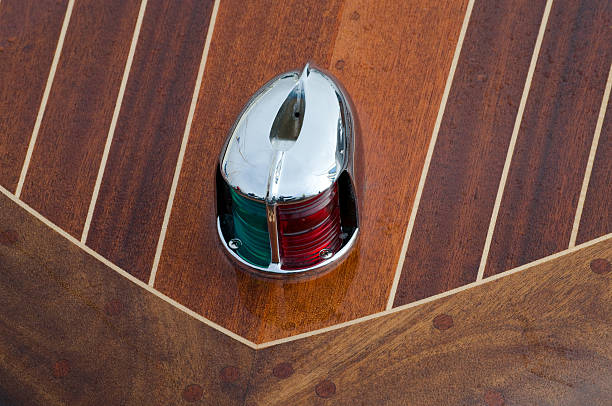
Boat navigation lights are specialized marine lights that communicate important information about your vessel to other boaters. They indicate your boat’s direction, position, and operating status, helping reduce the risk of collisions during nighttime or poor visibility.
Navigation lights are safety equipment rather than work lights. Their primary purpose is to ensure your vessel can be correctly identified by nearby boats.
See also: How Screw Pier Installation Sydney Improves Foundation Stability
Why LED Boat Navigation Lights Are the Best Choice
LED technology has become the preferred option for marine navigation because of its efficiency and durability.
Energy Efficiency
LED navigation lights consume significantly less electricity than traditional bulbs, helping conserve battery power during long trips.
Long Lifespan
Quality LED lights can operate for tens of thousands of hours, reducing replacement frequency and maintenance costs.
Excellent Visibility
LEDs produce bright, consistent illumination that remains clearly visible in darkness, rain, mist, and fog.
Weather Resistance
Marine-grade LED boat navigation lights are designed to withstand saltwater, humidity, vibration, UV exposure, and heavy rain.
Low Heat Output
LEDs generate minimal heat, improving safety and protecting surrounding materials.
Types of Boat Navigation Lights
Every boat requires specific navigation lights depending on its size and operating conditions.
Port Light
The port navigation light is red and is mounted on the left side of the vessel.
Starboard Light
The starboard navigation light is green and is mounted on the right side of the boat.
Stern Light
A stern light is white and shines toward the rear of the vessel.
Masthead Light
Power-driven boats typically require a white masthead light positioned above the sidelights, shining forward through the required arc.
All-Round White Light
Smaller boats may use an all-round white light in certain approved configurations depending on vessel size and applicable regulations.
Why Boat Navigation Lights Matter in All Weather Conditions
Weather on the water can change rapidly. Rain, fog, mist, and storms reduce visibility, making dependable boat navigation lights essential.
Heavy Rain
Bright LED lights remain more visible during rainfall, helping nearby vessels identify your location.
Fog
Navigation lights are required whenever visibility is restricted, including during fog, regardless of the time of day.
Wind and Rough Water
Marine-grade fixtures resist vibration and impact caused by rough waves.
Saltwater Exposure
Corrosion-resistant housings help protect internal components from saltwater damage.
Extreme Temperatures
Quality LED fixtures continue operating reliably in both hot summer conditions and colder climates.
Features to Look for Before Buying
Choosing the right boat navigation lights requires evaluating several important features.
Waterproof Construction
Look for fully sealed fixtures designed specifically for marine environments.
Corrosion Resistance
Marine-grade aluminum, stainless steel, and UV-resistant polymers provide excellent protection against harsh coastal conditions.
LED Brightness
Navigation lights should provide clear visibility without producing excessive glare that could interfere with the operator’s vision.
Certified Marine Design
Choose lights that are designed to meet applicable navigation visibility requirements for your vessel type and size.
Low Power Consumption
Efficient LEDs reduce battery drain while maintaining consistent illumination.
Benefits of LED Boat Navigation Lights
Installing modern LED boat navigation lights provides several long-term advantages.
Benefits include:
- Lower energy usage
- Longer operating life
- Reduced maintenance
- Improved visibility
- Better reliability
- Corrosion resistance
- Faster illumination
- Minimal heat generation
- Strong performance during adverse weather
- Enhanced boating safety
These advantages make LED systems an excellent upgrade for nearly every type of recreational or commercial vessel.
Choosing the Right Navigation Lights for Your Boat
Different boats require different navigation lighting arrangements.
Fishing Boats
Fishing boats benefit from durable navigation lights capable of handling long hours in wet environments.
Pontoon Boats
Pontoon boats require dependable lighting for evening cruising and safe operation after sunset.
Sailboats
Sailboats have unique lighting requirements depending on whether they are under sail or operating under engine power.
Powerboats
Powerboats typically require sidelights, a stern light, and a masthead light, with certain allowances for smaller vessels.
Commercial Vessels
Commercial boats often require additional navigation lighting based on vessel size and operational activities.
Installation Tips
Proper installation ensures your boat navigation lights remain visible and compliant.
Helpful installation tips include:
- Disconnect power before beginning installation.
- Use marine-grade wiring and waterproof connectors.
- Mount lights at the correct height and location.
- Keep lenses free from obstructions.
- Seal all mounting holes against water intrusion.
- Verify correct light orientation before operating the vessel.
Incorrect installation may reduce visibility and affect safe navigation.
Maintenance Tips
Routine maintenance helps extend the lifespan of your navigation lights.
Recommended maintenance includes:
- Clean lenses regularly with fresh water.
- Remove salt deposits after each trip.
- Inspect wiring for corrosion.
- Tighten loose mounting hardware.
- Replace cracked lenses immediately.
- Test navigation lights before every outing.
Regular inspections help identify potential issues before they affect safety.
Common Buying Mistakes
Avoid these common mistakes when purchasing boat navigation lights.
Choosing Automotive Lights
Automotive lighting is not designed for marine environments and may fail quickly.
Ignoring Waterproof Ratings
Poorly sealed fixtures allow moisture to damage electrical components.
Focusing Only on Brightness
Navigation lights must provide the correct color, placement, and visibility characteristics—not simply maximum brightness.
Poor Installation
Improper mounting angles or blocked lights reduce effectiveness.
Using Damaged Fixtures
Cracked housings or faded lenses should be replaced promptly to maintain visibility.
How Boat Navigation Lights Improve Safety
Proper boat navigation lights play a critical role in preventing accidents on the water.
They help other boaters:
- Determine your direction of travel.
- Identify whether your vessel is underway or anchored.
- Judge safe passing distances.
- Navigate safely during darkness.
- Maintain awareness during fog or heavy rain.
Reliable navigation lighting significantly reduces the likelihood of nighttime collisions and supports compliance with boating regulations.
Frequently Asked Questions
Are boat navigation lights required during the day?
They are required whenever visibility is restricted, such as during fog, heavy rain, or mist, even in daylight.
Why are LED navigation lights better?
LED lights offer lower power consumption, longer lifespan, improved durability, and brighter illumination than traditional lighting technologies.
Can saltwater damage navigation lights?
Yes, unless the fixtures are specifically designed with corrosion-resistant marine-grade materials.
How long do LED navigation lights last?
Many quality LED systems provide tens of thousands of hours of operation with proper maintenance.
Should navigation lights be tested before every trip?
Yes. A quick inspection before departure helps ensure your lights are operating correctly and safely.
Final Thoughts
Choosing durable LED boat navigation lights is one of the most important investments you can make for boating safety. Reliable navigation lighting improves visibility, helps other vessels understand your position and direction, and supports safe operation during darkness and poor weather conditions. By selecting marine-grade LED fixtures with waterproof construction, corrosion-resistant materials, and proper installation, you can enjoy dependable performance for years to come.
Whether you operate a fishing boat, sailboat, pontoon, or powerboat, high-quality boat navigation lights provide the visibility and reliability needed for safe navigation in all weather conditions. Regular maintenance and routine inspections will help keep your lighting system performing at its best every time you head out on the water.