
A locker is only as secure as the lock on its door, and the choice between a key lock and a digital lock shapes more than security. It decides how much time the facility team spends on lost keys, how smoothly members get in and out, and what happens on the day someone forgets a code. Picking a locker lock Singapore gyms, offices, schools and condos rely on means weighing both options against how your space is actually used, not against a spec sheet.
How Key Locks Work
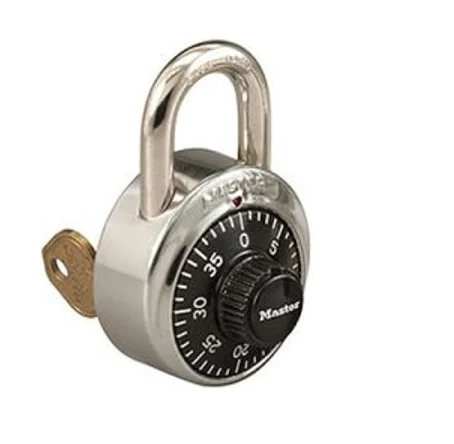
A key lock uses a physical cylinder and a matching key. Most locker systems use cam locks, a small cylinder with a rotating latch, or padlocks that users bring themselves. In managed facilities, locks are usually keyed in one of three ways: each locker has its own unique key, groups of lockers share a key, or a master key opens everything.
The appeal is simplicity. There are no batteries, no software and no codes to remember. A key lock works in a power cut and in a humid changing room, and it costs little per unit.
How Digital Locks Work
Digital locks replace the key with a keypad, an RFID card, a wristband, a mobile app or a combination of these. The user enters a PIN or taps a credential, and a small motor releases the latch. Some systems run standalone, with the code set by each user on the spot. Others connect to a central system that tracks access, assigns lockers and lets staff override locks remotely.
The appeal is control. There is nothing to carry, nothing to copy and, in networked systems, a record of who opened what and when.
Security Compared
Neither type is automatically safer. Each has its own weak points.
Key locks can be picked, and cheap cam locks are the easiest targets. Keys can be duplicated at any shop, and a lost key means a stranger may be holding access to a locker with no way of knowing. Shared or master keys multiply that risk. A higher-grade cylinder with restricted key blanks, which cannot be copied without authorization, closes much of the gap.
READ ALSOHow Professional Guest Posting Services Support Sustainable Business Growth
Digital locks remove duplication and picking, but introduce other risks. Weak or default codes are the biggest problem, since users choose birthdays and repeated digits. Keypads can show wear patterns on the most-pressed buttons. Cheaper models can be forced open, and a flat battery in a poorly designed unit can leave a locker stuck shut. Quality models offer an override and a low-battery warning.
In both cases, the build matters more than the category. Look at the material of the latch and body, the thickness of the door and how the lock is fixed to it. A strong lock on a flimsy locker door protects very little.
Day-to-Day Convenience
For users, digital locks usually win. No one needs to remember a key or fit a padlock, and a locker can be set up in seconds. In a gym or pool, where people have wet hands and nowhere to put a key, a wristband or card is easier than a loose key.
Key locks are quick for a user who already has the key, but they create friction for casual or short-term use. A visitor who must be handed a key and asked to return it adds a task for staff, and unreturned keys are a common loss.
Forgetting a code is the digital equivalent of losing a key. Systems with a reset or staff override handle it quickly. Without one, the facility has to force the locker open.
Management and Administration
This is where the two types differ most for the person running the facility.
Key systems demand physical handling. Someone must issue keys, collect them, keep a log and re-key or replace cylinders when keys go missing. In a large facility with high turnover, such as a school with hundreds of lockers or a gym with daily visitors, this takes real hours. Lost keys also create a security question: was the locker emptied, and by whom?
READ ALSOGuest Post Cost: How to Budget for Link Building Without Guesswork
Digital systems shift the work to settings. Codes can be reset, lockers reassigned and access revoked without touching a key. Networked locks produce audit trails, which help when a complaint is raised about a missing item. They also let you see which lockers are occupied and clear abandoned ones at the end of a term or contract.
The trade-off is setup effort. Digital systems need configuration, staff training and sometimes software subscriptions. Someone has to own that process.
Cost Over Time
Key locks are cheaper to buy, often by a wide margin. The costs show up later in spare keys, replaced cylinders, re-keying and staff time.
Digital locks cost more upfront. Over several years, the savings in key management can offset some of the premium, particularly in high-turnover sites. Add the cost of batteries, which for standalone units are usually modest, and possible repair or replacement of electronics in damp environments.
The honest comparison is total cost of ownership across five years or more, not the price of one lock on the day of purchase.
Whichever you choose, buy from a supplier that can advise on fit, supply spare parts and support the lock after installation. You can browse the Avios locker range to compare lock types and accessories side by side before you decide.
Matching the Lock to the Site
Gyms and swimming facilities. Digital or RFID wristband locks suit high turnover and wet conditions. Look for water-resistant ratings.
Schools. Key locks work for fixed student assignments, though combination or digital locks avoid the lost key problem. Choose tamper-resistant models for younger students.
READ ALSOHow to Choose a Plastic Cleaner and Polish for Car Trim, Boat Windows and Household Items
Offices. Digital locks suit hot-desking, where lockers are used on a daily basis. Fixed lockers for permanent staff can use key locks with a managed key register.
Condos and shared amenities. Key or digital both work. Choose based on how many people share the space and how often residents change.
Industrial and staff facilities. Durability matters more than features. Heavy-duty key locks, or rugged digital units with override access, are common.
Questions to Ask Before You Buy
- How many lockers need locks, and how often do users change?
- Who will handle lost keys or forgotten codes, and how fast must they respond?
- Is an audit trail needed for accountability?
- What is the environment? Humidity and splashes affect electronics.
- Does the lock have a master or manager override?
- What is the warranty, and are spare parts available locally?
- Can the lock fit your existing locker doors without drilling new holes?
Check the cutout size and door thickness before ordering. Locks that do not fit the existing door cost time to adapt.
A Practical Recommendation
For small, stable setups with fixed assignments, good key locks with restricted keys remain a sensible and economical choice. For busy sites with changing users, digital locks reduce workload and give better control, provided you pick quality units and set clear procedures for resets. Many facilities mix both, using digital locks for shared lockers and keys for permanent ones.
If you need help matching a lock to your lockers or ordering in quantity, you can reach out through the contact page with your locker details and numbers.