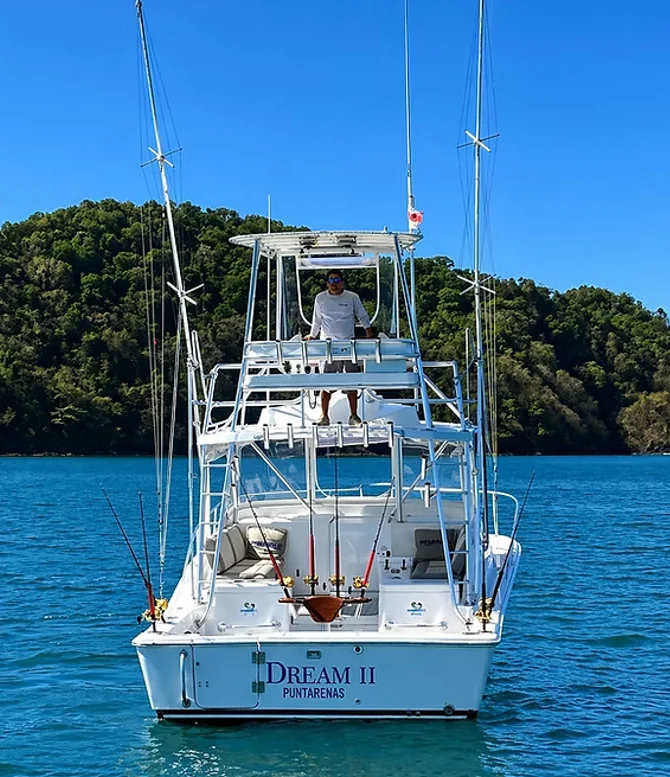

A family fishing day goes wrong in predictable ways. The boat is too small for six people, the kids run out of patience by the second hour, or nobody mentioned that lunch was not included. Most of these problems come down to questions that were never asked before the deposit was paid. Costa Rica fishing charters vary widely in boat type, crew style and trip structure, and a few direct questions up front will separate the operators who handle families well from those who mostly cater to serious tournament anglers.
Here are the questions worth putting to any operator, along with what a good answer sounds like.
How Many People Does the Boat Hold Comfortably?
Every boat has a legal maximum, and that number is not the same as a comfortable number. A vessel rated for eight passengers feels crowded with eight, especially when two or three of them are children with tackle in hand and snacks spilling out of a bag.
Ask for the boat’s length, the capacity and the number of people the captain recommends for a family trip. A reasonable operator will tell you that a family of six fits well on a boat rated for eight, and will not push you to fill every seat to lower the per-person cost. Ask also where non-fishing members of the group can sit. A grandparent who wants to watch from a shaded seat, or a toddler who needs a nap, needs somewhere to be that is not in the way of a line.
What Comfort Features Are on Board?
Heat is the main complaint on family trips, followed closely by bathroom access. Ask whether the boat has an air-conditioned cabin, a shaded cockpit and a working head with a door that closes. These sound like small details until a seven-year-old needs the bathroom forty minutes from shore.
Ask about drinking water, ice and cooler space too. Some boats supply drinks and snacks, and others expect you to bring your own. Either arrangement works, but you should know which one applies before you pack. If anyone in your group has dietary restrictions or allergies, tell the operator in advance so the crew is not caught off guard.
How Long Is the Trip, and Can It Be Shortened?
Adults can happily fish for eight hours. Most children cannot. A half day of four to five hours tends to suit younger kids, while teenagers and older children often manage a full day if the action stays steady.
Ask whether the operator offers half-day options and whether the captain will head back early if the kids are done. Some crews are relaxed about this and some hold firmly to the booked hours. Neither approach is wrong, but a family with a four-year-old should know which one they are getting. Morning departures are the better choice, since the sea is calmer and the afternoon heat has not built up yet.
What Will We Actually Catch?
Honest answers matter here. An operator who guarantees a sailfish is making a promise the ocean will not keep. Ask what species are running during your travel dates, what the typical catch looks like for a family trip, and whether inshore fishing is available for steadier action. Kids often care more about reeling in something than about the size of it, and a morning of snapper, jack and mackerel can be more fun for them than a quiet day waiting on a billfish.
It helps to know the range of fish in these waters before you go. The page on what we catch gives a clear picture of the species that turn up along the Pacific coast, so your family can set realistic expectations and decide whether to go offshore or stay closer in.
Who Is on the Crew, and Are They Comfortable With Kids?
The captain and mate decide whether the day is fun or stressful. A good mate will hand a child the rod at the right moment, show them how to hold it, and keep the pace relaxed. A crew that mostly works with experienced anglers may be less patient with a nine-year-old who drops the rod twice.
Ask how much experience the crew has with children and beginners. Read recent reviews for mentions of how the staff treated younger passengers. Comments naming a specific captain or mate are a good sign. Ask too whether the crew speaks English, since clear communication matters when you are explaining a child’s fear of the water or a medical concern.
What Safety Equipment Is Provided?
Ask about life jackets, and specifically whether the boat carries children’s sizes. An adult vest on a small child is not safe. Confirm that the boat has a first aid kit, a working marine radio and the proper licensing and insurance for charter operation.
Ask what happens if someone gets seasick or hurt. A professional operator will have a plan and will describe it without hesitation. If the answer is vague, treat that as information.
What Is Included in the Price?
Two quotes that look similar can differ by a few hundred dollars once everything is counted. Ask whether the price covers fuel, tackle, bait, fishing licenses, marina fees, food, drinks and fish cleaning. Fuel in particular is sometimes added as a surcharge for longer runs, so ask for an all-in figure in writing.
Ask also about the crew gratuity. Tipping is customary, and knowing the usual range in advance avoids an awkward moment at the dock. If you want to keep your catch, ask whether the crew will clean it and whether a local restaurant will cook it for you. Many families enjoy the end-of-day meal as much as the fishing.
What Happens If the Weather Turns?
Rain and rough seas can cancel a trip, particularly during the green season from May through November, when afternoon storms are common. Ask what the policy is for weather cancellations, whether you get a refund or a rescheduled date, and who makes the call. The captain should decide based on safety, not on whether your deposit is refundable.
Ask about the deposit itself, the cancellation window and what happens if a family member falls ill before the trip. Clear terms protect both sides.
What Should We Bring?
A good operator will give you a short list without being asked. Expect to bring sun protection, hats, polarized sunglasses, light long-sleeved shirts and shoes with non-marking soles. Anyone prone to motion sickness should take medication before boarding, not after the first swell. A light breakfast and plenty of water help more than most people expect.
For younger children, pack a few things that have nothing to do with fishing, such as a small game, a book or a favorite snack. A quiet stretch between bites is easier to handle when there is something else to do.
Making the Call
Pay attention to how the operator answers, as well as what they say. Quick replies, specific numbers and straight answers about what is and is not guaranteed suggest a business that runs a steady trip. Pressure to book immediately, vague pricing or promises about fish should give you pause.
If you are still comparing boats and trip formats, the options at Dreamboats Costa Rica show how different vessels and trip lengths suit different group sizes. Send your questions, dates and the ages of your kids, and see how the operator responds.
Families who ask these questions before booking tend to have a better day on the water. The boat fits the group, the expectations match what the ocean can offer, and the kids go home talking about the fish they reeled in themselves.