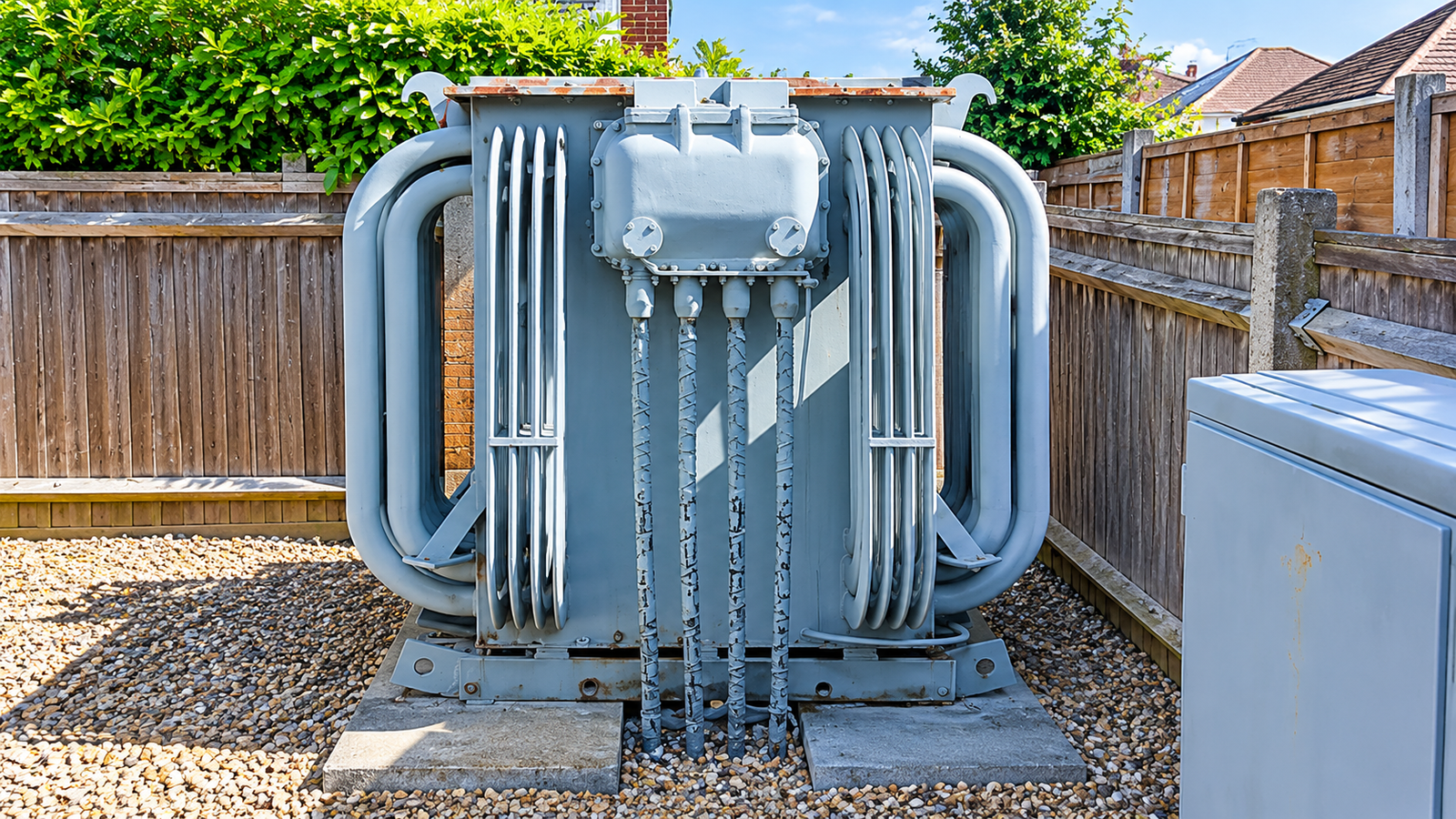

A reliable power supply is essential for industrial facilities, manufacturing plants, commercial complexes and large infrastructure projects. Electrical equipment must handle substantial loads while maintaining voltage stability and operational safety. A 5000 KVA transformer is designed for installations that require high-capacity power distribution, making it suitable for demanding electrical environments. Understanding its technical features, installation requirements and operating characteristics helps project managers and electrical engineers select equipment that matches their facility’s needs.
What Is a 5000 kVA Transformer?
A 5000 kVA transformer is a high-capacity electrical device that transfers electrical energy between circuits through electromagnetic induction. It changes voltage levels while maintaining the same frequency, allowing electricity to be transmitted and distributed at suitable voltages.
The 5000 kVA rating represents the transformer’s apparent power capacity. It can handle a maximum rated load of 5,000 kilovolt-amperes under specified operating conditions.
These transformers are commonly installed in facilities with substantial electricity requirements, including:
- Large manufacturing and processing plants
- Industrial estates and production units
- Commercial buildings and shopping centres
- Hospitals and healthcare campuses
- Data centres and IT infrastructure
- Utility substations and distribution networks
- Mining and heavy engineering facilities
The final selection depends on the connected load, expected demand, voltage requirements and operating conditions.
Key Technical Features and Specifications
The technical design of a transformer determines how effectively it handles electrical loads. Engineers must examine several parameters before approving a unit for installation.
1. Rated Power Capacity
The rated capacity is 5000 kVA, making the transformer suitable for large electrical installations. Its actual usable capacity depends on the power factor, load profile, cooling arrangement and permitted operating temperature.
For example, at a power factor of 0.8, a fully loaded 5000 kVA transformer supplies approximately 4,000 kW of active power.
2. Primary and Secondary Voltage
The primary voltage represents the incoming electrical supply, while the secondary voltage is the output delivered to the connected distribution system.
Common voltage combinations include:
- 11 kV / 433 V
- 22 kV / 433 V
- 33 kV / 11 kV
These are examples rather than universal configurations. The correct combination depends on the electrical network and the requirements of the installation.
3. Cooling System
Cooling arrangements remove heat generated during transformer operation. Common options include:
- ONAN (Oil Natural Air Natural): Uses natural oil circulation and surrounding air for cooling.
- ONAF (Oil Natural Air Forced): Uses fans to improve heat dissipation.
- OFAF (Oil Forced Air Forced): Uses forced oil circulation and fans for higher cooling requirements.
The manufacturer selects the cooling arrangement according to the design, operating conditions and required thermal performance.
4. Winding Material
Copper and aluminium are the two commonly used winding materials.
Copper offers high electrical conductivity and good mechanical strength. Aluminium is lighter and can provide a lower initial material cost. The choice affects transformer dimensions, losses, weight and purchase cost.
5. Insulation and Protection
Insulation prevents electrical breakdown between windings and other conductive components. Protective equipment may include temperature indicators, pressure relief devices, oil level indicators, Buchholz relays and suitable electrical protection systems.
The selected protection arrangement should reflect the transformer’s design and installation environment.
Understanding the 5000 KVA Transformer Specification
A technical datasheet provides the information needed to assess whether a transformer meets project requirements. Buyers should review the complete 5000 KVA transformer specification rather than relying only on the rated capacity.
Importance of Impedance
Transformer impedance affects voltage regulation and the amount of fault current that can flow during a short circuit. A higher impedance generally limits fault current but may also increase voltage drop under load.
Engineers must coordinate impedance with the electrical network, switchgear ratings and protection settings.
Efficiency and Energy Losses
Transformers experience two main categories of losses:
- Core losses: Occur in the magnetic core and remain relatively consistent when voltage and frequency are maintained.
- Copper losses: Develop in the windings and increase with electrical loading.
Comparing these losses helps estimate operating expenses over the equipment’s service life.
Applications Across Industrial and Commercial Facilities
High-capacity transformers support operations that require a consistent and substantial electricity supply.
Manufacturing plants: Production machinery, motors, compressors, furnaces and automated systems require dependable electrical distribution.
Data centres: Servers, cooling equipment, backup systems and network infrastructure create substantial electrical demand. Proper load planning is essential to maintain continuity.
Commercial developments: Large office buildings, shopping centres and mixed-use developments need sufficient electrical capacity for lighting, lifts, HVAC systems and other services.
Infrastructure projects: Airports, railway facilities, water treatment plants and industrial utility networks depend on high-capacity transformers for power distribution.
Mining operations: Heavy machinery, ventilation systems, pumping equipment and processing facilities require electrical infrastructure designed for demanding conditions.
Each application has different load characteristics. A detailed assessment helps determine whether one transformer or multiple units provide the most suitable arrangement.
Factors That Influence the 5000 KVA Transformer Price
The purchase cost depends on more than the rated capacity. Material selection, technical specifications, manufacturing standards and installation requirements all influence the final quotation.
A 5000 KVA transformer price comparison should consider the following factors:
Winding Material
Copper-wound transformers generally cost more because of copper’s material price and electrical properties. Aluminium-wound models may offer a lower initial purchase cost, depending on their design.
Voltage Configuration
Transformers designed for different input and output voltages may require different insulation arrangements, winding designs and accessories. Higher voltage ratings can increase manufacturing complexity.
Cooling Arrangement
Natural cooling systems may have lower equipment costs, while forced cooling arrangements require additional components such as fans, pumps and control systems.
Losses and Efficiency
Low-loss transformer designs may have a higher purchase price but reduce electricity wastage throughout their operating life. Buyers should compare lifetime energy costs rather than focusing exclusively on the initial quotation.
Accessories and Protection
Additional requirements such as temperature monitoring, surge protection, cable boxes, control panels and specialised enclosures can affect the overall cost.
Transportation and Installation
A transformer of this capacity requires careful transportation, lifting and positioning. Site preparation, foundation work, electrical connections, testing and commissioning should be included in the project budget.
For accurate quotations, buyers should provide manufacturers with voltage ratings, cooling preferences, winding material, installation conditions and applicable standards.
Installation Requirements and Safety Considerations
Correct installation supports reliable operation and reduces the risk of electrical faults.
Before installation, engineers should assess the site foundation, ventilation, access arrangements and clearances. The transformer must be positioned according to manufacturer recommendations and applicable electrical safety regulations.
Several checks should be completed before energisation:
- Inspect the tank, bushings, terminals and accessories for transportation damage.
- Verify oil levels and insulation conditions where applicable.
- Check winding resistance and insulation resistance.
- Confirm the transformer ratio and vector group.
- Test protective relays and associated electrical equipment.
- Verify earthing connections and cable terminations.
- Confirm that cooling equipment operates correctly.
Commissioning should be performed by qualified personnel using approved testing procedures. Appropriate clearances, fire protection and restricted access arrangements are also necessary for installations involving high-voltage equipment.
Maintenance Practices That Extend Service Life
Regular maintenance helps identify developing faults before they cause unexpected shutdowns.
A practical maintenance programme should include:
Oil testing: Oil samples can be examined for moisture, dielectric strength and dissolved gases. These tests help identify insulation deterioration and internal faults.
Thermal inspection: Infrared inspections can identify abnormal heating at terminals, connections and other accessible components.
Connection checks: Loose or deteriorated electrical connections can cause overheating and equipment damage.
Cooling system inspection: Fans, pumps, radiators and associated controls should be inspected according to the manufacturer’s maintenance schedule.
Protection testing: Relays, alarms and monitoring devices should be tested periodically to confirm correct operation.
Maintenance frequency should reflect operating conditions, loading patterns, environmental exposure and manufacturer recommendations.
Selecting the Right Transformer Manufacturer
Choosing a suitable manufacturer requires attention to engineering capability, product quality and after-sales support. Buyers should examine manufacturing experience, testing facilities, quality certifications and compliance with relevant IEC or national standards.
Requesting routine and type-test documentation helps verify that the equipment meets the agreed design requirements. Buyers should also confirm warranty coverage, spare parts availability, technical assistance and commissioning support.
A well-specified transformer, supported by proper installation and maintenance, can serve as a dependable part of an industrial power distribution system for many years. Careful evaluation of electrical requirements, operating costs and manufacturing quality helps businesses make a sound purchasing decision.