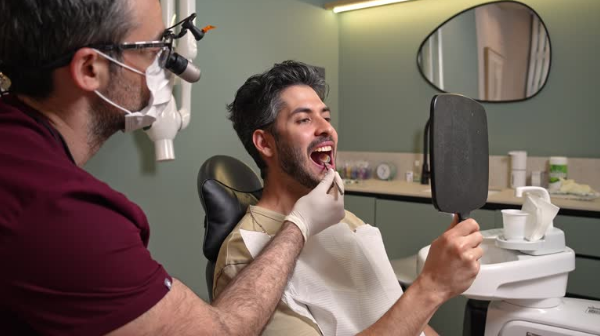

Missing, damaged, or failing teeth can affect daily activities such as eating, speaking, and maintaining proper oral hygiene. Dental implants offer a fixed tooth replacement option that restores the function of missing teeth while supporting the jawbone. Patients researching the best dental implants in San Diego should understand the available treatment options, the experience of the dental team, and the care required after the procedure.
Dental implant treatment is not limited to replacing one missing tooth. Depending on the condition of the mouth, patients may benefit from single implants, multiple implant bridges, or full-mouth restorations. Each option serves a different purpose, so a dental examination is necessary to determine which treatment matches the patient’s needs.
Why Are Dental Implants Different From Traditional Tooth Replacement Options?
Dental implants replace missing tooth roots with small posts, commonly made from medical-grade titanium. These posts are placed into the jawbone and provide support for crowns, bridges, or full-mouth restorations.
Unlike removable dentures, implants are designed to provide a fixed foundation. They also differ from traditional dental bridges because they do not always require neighbouring natural teeth for support.
The Connection Between Implants and Jawbone Health
Natural tooth roots stimulate the jawbone during everyday chewing. When a tooth is lost, the surrounding bone may gradually shrink because it no longer receives the same stimulation.
Dental implants transfer chewing forces to the jawbone, helping maintain stimulation around the implant site. They can help reduce bone loss in the treated area, although the results depend on bone health, implant placement, and ongoing care.
Better Support for Everyday Activities
Missing teeth can make chewing certain foods difficult and may affect speech. A properly fitted implant-supported restoration provides a stable chewing surface and helps restore normal oral function.
Patients also avoid some common concerns associated with removable dentures, such as movement during eating or the need for denture adhesives. The final comfort and function depend on the type of restoration and individual healing.
Which Dental Implant Treatment Matches Your Needs?
Dental implant treatment is not the same for every patient. The number of missing teeth, their position, jawbone condition, and overall oral health determine the appropriate restoration.
A dentist examines these factors before recommending a treatment plan. Understanding the main options can help patients prepare for their consultation.
Single Dental Implants
A single dental implant is used to replace one missing or severely damaged tooth. The implant post acts as an artificial root, while an abutment connects it to a custom dental crown.
This option is suitable for patients who have an individual missing tooth and sufficient bone support. It also helps avoid preparing healthy neighbouring teeth for a traditional bridge.
Multiple Implant Bridges
Patients missing several consecutive teeth may benefit from an implant-supported bridge. Instead of placing a separate implant for every missing tooth, the dentist can position implants to support a connected set of replacement teeth.
The number of implants required depends on the length of the bridge, bone quality, and biting forces. This restoration provides fixed support without relying on adjacent natural teeth.
See also: The Role of Facility Management in Maintaining Business Continuity
Full-Mouth Dental Implants
Full-mouth dental implants are designed for patients who have lost most or all of their teeth or have several failing teeth that cannot be restored reliably.
Treatment options may include fixed full-arch restorations supported by four, five, or six implants. The dentist evaluates the jawbone and bite before deciding which arrangement is appropriate.
What Should You Check Before Selecting an Implant Dentist in San Diego?
Dental implant surgery requires careful planning, accurate placement, and knowledge of restorative dentistry. Choosing a provider should involve more than comparing advertised prices or treatment timelines.
Patients should review the dentist’s qualifications, experience with implant procedures, treatment options, and approach to patient care. Clear communication is equally important because implant treatment involves several stages and follow-up appointments.
Professional Experience and Treatment Planning
Look for a dental professional with relevant training and experience in implant dentistry. Ask who will perform the surgical procedure and who will design and fit the final restoration.
A proper treatment plan should explain the condition of your teeth, the number of implants required, possible additional procedures, and the expected healing period.
Diagnostic Technology and Patient Assessment
Dental imaging helps dentists examine the jawbone, identify important anatomical structures, and plan implant positions. Three-dimensional CBCT scans can provide detailed information about bone volume and surrounding structures.
A provider should explain the purpose of recommended scans and discuss the findings before treatment begins. Patients should also have enough time to ask questions about the procedure and available alternatives.
Can You Find Affordable Dental Implants in San Diego Without Compromising Care?
The cost of dental implants depends on the treatment required, the number of implants, restoration materials, and the complexity of the procedure. Additional treatments, including tooth extractions and bone grafting, may increase the overall expense.
Patients exploring affordable dental implants in San Diego should compare complete treatment estimates rather than focusing only on the initial advertised price. A lower starting price may not include every stage of the procedure.
What Influences the Total Treatment Cost?
Several factors can affect the final cost:
- Number of implants: Replacing one tooth generally involves a different treatment plan from restoring an entire dental arch.
- Restoration materials: The material and design of the crown, bridge, or full-arch prosthesis influence expenses.
- Additional procedures: Bone grafting, extractions, or treatment for gum disease may be required.
- Diagnostic services: Imaging and treatment planning contribute to the overall cost.
- Follow-up care: Post-procedure examinations and maintenance should be considered when reviewing the estimate.
Financing and Payment Discussions
Dental implant treatment can involve a significant financial commitment. Some dental practices work with third-party financing providers to offer monthly payment arrangements.
Patients should ask about interest rates, repayment periods, eligibility requirements, and any additional charges. Dental insurance coverage also varies, so checking directly with the insurance provider can help clarify available benefits.
What Happens During the Dental Implant Procedure?
The treatment process usually involves consultation, preparation, implant placement, healing, and final restoration. The exact sequence depends on the patient’s dental condition and the type of implant treatment selected.
Knowing what happens at each stage can help patients prepare for their appointments and recovery.
Consultation and Examination
The dentist reviews medical and dental history, examines the mouth, and uses appropriate imaging to assess the jawbone. The consultation also provides an opportunity to discuss treatment options, expected costs, and possible risks.
Implant Placement and Healing
During surgery, the dentist places the implant posts into the jawbone using local anaesthesia or another suitable anaesthesia option. After placement, the bone needs time to bond with the implant through a process called osseointegration.
Healing may take several months. Temporary restorations may be used during this period, depending on the treatment plan.
Final Restoration and Bite Adjustment
Once the implants are stable, the dentist attaches the permanent crown, bridge, or full-arch restoration. The fit, appearance, and bite are checked to ensure the replacement teeth work comfortably with the remaining teeth.
Maintaining Dental Implants After Treatment
Dental implants require regular care even though the artificial teeth cannot develop cavities. Plaque can still collect around the implant and cause gum inflammation or infection.
Patients should brush twice daily, clean between their teeth using recommended tools, and attend routine dental appointments. Avoiding tobacco and following professional cleaning instructions can also support implant health.
Contact your dentist if you notice persistent swelling, bleeding, pain, or movement around the restoration. Early examination can help identify problems before they affect the supporting tissues.
Making a Confident Decision About Dental Implant Treatment
Dental implants can provide a long-term option for replacing missing or failing teeth, but successful treatment begins with an accurate assessment. Patients should understand their available restoration choices, the condition of their jawbone, and the complete financial commitment before proceeding.
A consultation with an experienced dental implant team can help clarify these details. Ask questions, review the proposed treatment plan, and make sure you understand the expected results and ongoing maintenance requirements.
Frequently Asked Questions
1. How long do dental implants last?
Dental implants can last many years with proper care. Their lifespan depends on bone health, gum condition, oral hygiene, lifestyle habits, and regular dental monitoring. The crown or bridge may need replacement before the implant post.
2. Are dental implants suitable for older adults?
Age alone does not determine eligibility for dental implants. General health, jawbone condition, gum health, and the ability to heal are more relevant factors. A dental examination helps determine whether treatment is appropriate.
3. How long does dental implant treatment take in San Diego?
The treatment timeline varies according to the number of implants, bone condition, and restoration type. Some patients may receive temporary teeth shortly after implant placement, while complete healing and final restoration can take several months.
4. Does dental insurance cover implant treatment?
Coverage depends on the insurance policy. Some plans may cover certain parts of the treatment, while others exclude dental implants. Patients should contact their insurance provider to understand their benefits and out-of-pocket expenses.
5. Where can I schedule a dental implant consultation in San Diego?
You can visit TruSmile to learn about dental implant treatments and consultation options. The center is located at 2452 Fenton St #100, Chula Vista, CA 91914, and offers consultations to help patients understand their dental condition, treatment choices, and pricing.